


:quality(80))


:quality(80))


:quality(80))


:quality(80))


Best ecommerce personalization platforms for Shopify Plus stores in 2026
:quality(80))
:quality(80))
Read summarized version with
 ChatGPT
  Perplexity
  Gemini
  Claude
  Grok
Grok Key takeaways
The best Shopify Plus personalization platform depends on your bottleneck, not a single winner. Wisepops leads on onsite engagement and targeting, Rebuy on checkout and cart, Nosto for large-catalog merchandising.
Rebuy, Wisepops, and LimeSpot are self-serve with a free trial, live in days, and suit teams of any size.
Nosto, Bloomreach, and Dynamic Yield run through a sales process, built for bigger organizations with budget and setup time.
"Personalization" means different things per tool: onsite engagement, product recommendations, or full-channel enterprise suites, so match the tool to the job.
Shopify Plus merchants aren't short on traffic. They're short on ways to turn that traffic into revenue without hiring a full CRO team.
Personalization is one of the fastest levers left to pull: showing the right product, message, or offer to the right visitor, instead of serving everyone the same static homepage.
This guide compares six tools built or positioned to personalize the browsing and purchasing experience in Shopify.
See your segments
Match each visitor to the right campaign
We review your traffic and show which behavioral segments you have, the campaigns that fit each one, and the revenue they could reach.
:quality(80))
Best tools to customize user experience in your Shopify store
Jump to any tool:
Wisepops
:quality(80))
:quality(80))
Wisepops activates traffic through targeted personalization. It uses different types of messages, popups, an onsite feed, embeds, and web push, each shown to different visitors depending on their behavior or interests.
The result is a shopping experience built around the real shopper. An offer can be based on what someone has browsed, what's in their cart, its price, the collections it belongs to, or on customer details like whether they're a VIP.
Before comparing features, it helps to know which visitors you actually have. Wisepops opens with a traffic intelligence audit that sorts visitors into behavioral segments, sizes the opportunity in each, and matches each segment to a campaign built for it.
The audit is personalized for each store, so this is one example of the shape it takes:
New visitors
First-time browsers
Arrive with no history and decide fast whether the brand is worth their time.
High intent
Cart abandoners
Added an item, then stalled before reaching checkout.
Returning
Returning considerers
Came back after viewing products without buying the first time.
Loyal
VIP customers
Repeat buyers with the highest order value and lifetime spend.
Paid traffic
Ad-referred visitors
Land from a paid campaign and expect the offer that ad promised.
Price sensitive
Deal seekers
Compare and hesitate on price before committing to an order.
These campaigns are popular and effective, each matched to a moment in the visit:

Quiz match
A short quiz collects each shopper's preferences and routes them to the products that fit, then asks for an email.
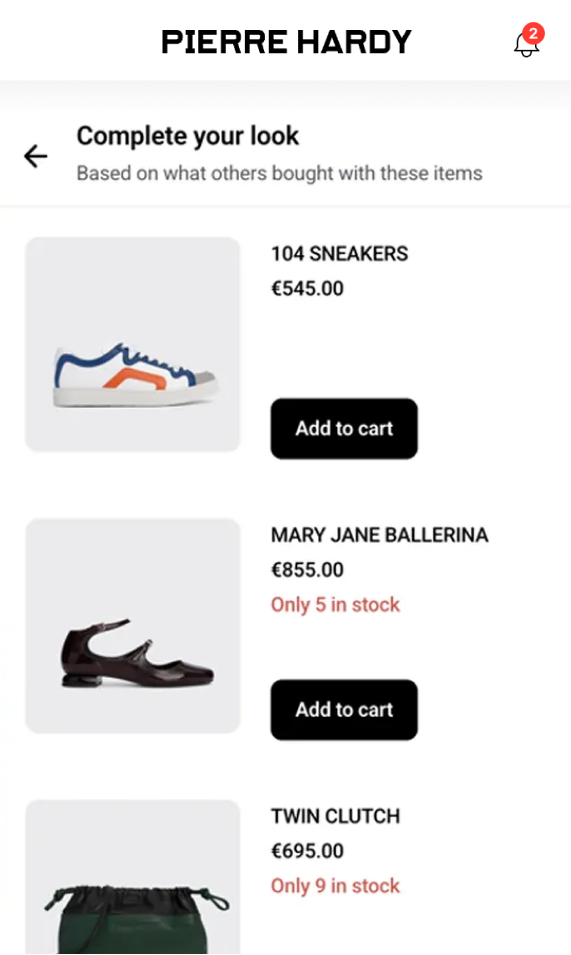
AI product recommendations
An onsite feed shows AI recommendations drawn from what the visitor just added to their cart, opened as they browse.
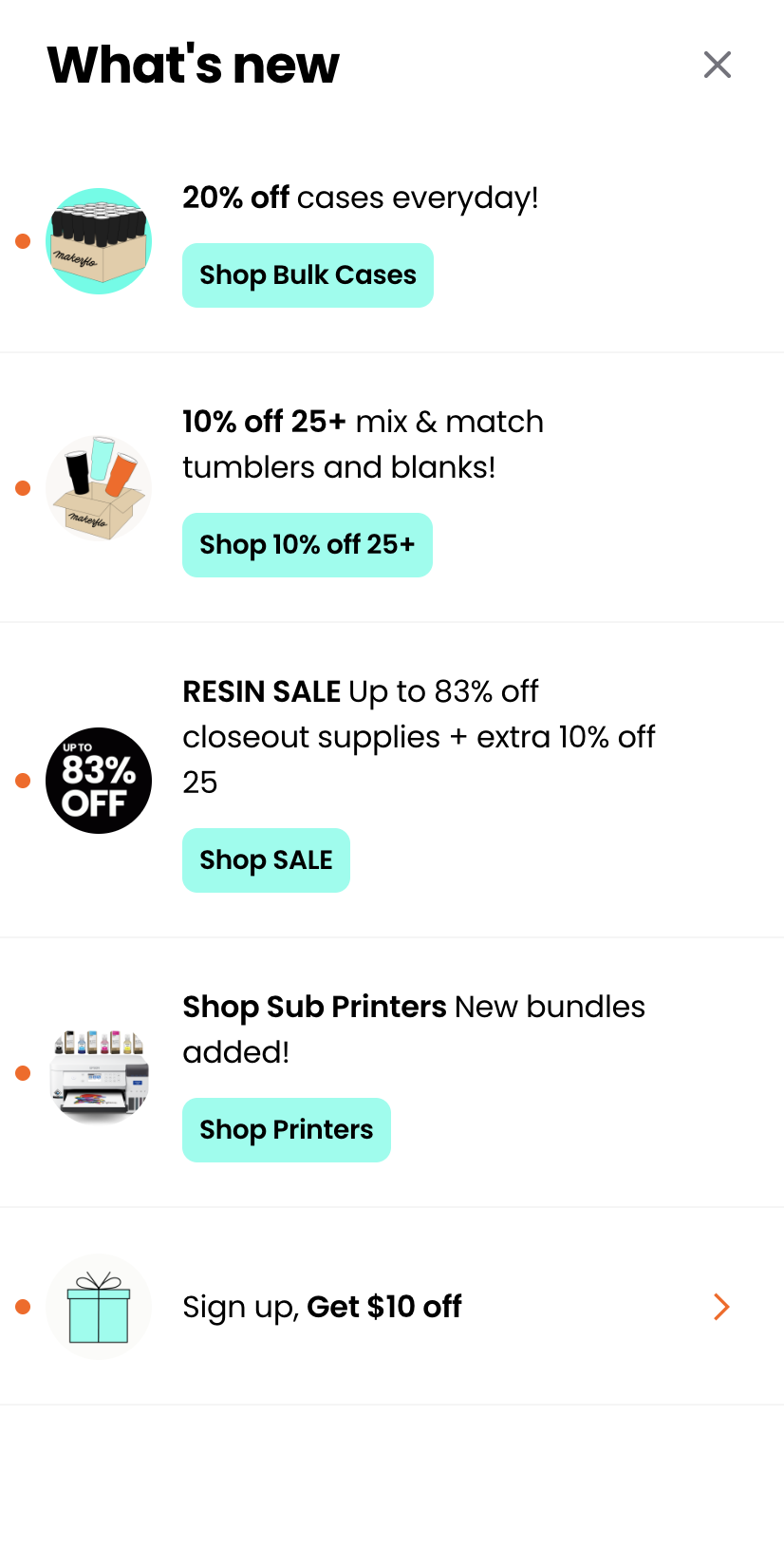
Onsite feed
An onsite feed with the latest offers and sale links, shown to returning visitors on every page without interrupting.
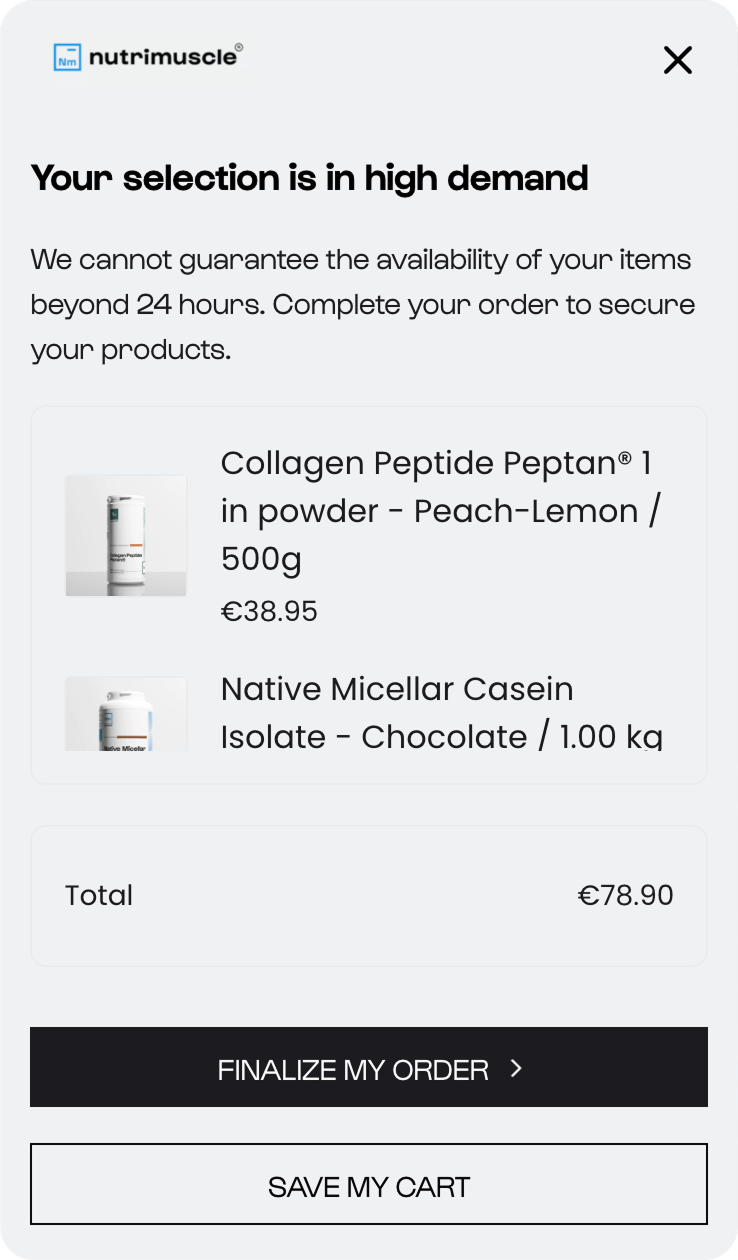
AI cart recovery
Fires when a visitor with items in their cart is about to leave, picking the offer most likely to bring them back now.
Among key features Wisepops brings to the table we find:
Reach each visitor in the right format. Popups, embeds, an onsite feed, and web push, matched to how each segment behaves.
Show products each shopper wants. AI product recommendations on Shopify run six strategies, from best-sellers to recently viewed.
Recover carts with the right offer. The Wisebrain engine reads behavioral signals and fires when a visitor is about to leave.
Match the message to the visitor. Target by behavior, traffic source, cart contents, VIP status, URL, and device.
Prove the revenue, not the clicks. The Experiments platform runs control-group A/B tests with revenue attribution.
Personalize offers with your store data. Native Shopify and Klaviyo integration targets Klaviyo segments and Shopify data directly onsite.
Launch fast, without a developer. Over 200 templates and a drag-and-drop builder get campaigns live in minutes.
Personalize by market and language. Run multi-language campaigns from one build, with context-aware display rules.
All of the above features allow teams to contextualize the experience of visitors, making it relevant. Thanks to its AI capabilities, Wisepops can even learn and establish behavioral segmentation autonomously.
Wisepops gives you full access to the platform with a 14-day free trial on Shopify App Store. A step above that, a dedicated strategist runs the campaigns directly: traffic audit, hands-on management, monthly business reviews.
Pros and cons
What works: precise targeting, native integration, and fast implementation are core strengths. Targeting can serve different messages by visitor type and product page, and the Feed feature is another standout, an onsite channel that keeps shoppers engaged without interrupting the experience.
Keep in mind: there's no free plan, and pricing scales with pageviews, so a high-traffic Plus store should confirm the tier before committing. The guided, strategist-run plan is quoted after the audit rather than listed publicly.
Relevant clients


Why choose Wisepops
For a Shopify Plus team that wants fast, tightly-integrated onsite conversion campaigns, Wisepops is built for exactly that. It scales from small DTC brands to global names like Emma Sleep and Ideal of Sweden, with real control-group testing to prove impact rather than take a vendor's word for it.
★★★★★ 4.9/5 on G2 · Free 7-day audit, no commitment
Nosto
:quality(80))
:quality(80))
Nosto uses your customer, product, and content data and processes all of it in real time. The result is that no two visitors see the same store.
Among the key features Nosto brings to the table:
Personalized product recommendations across the site, powered by real-time behavioral data.
Category merchandising that controls which products appear on collection pages, per visitor.
Onsite search that reorders results based on what each shopper is likely to want.
Content personalization that can be scheduled ahead of time for campaigns and launches.
AI-generated product bundles built automatically from shopping patterns.
Beyond these capabilities, Nosto treats Shopify Plus as its own category, not an afterthought, with case studies filterable specifically by Shopify Plus versus standard Shopify, Magento, or Salesforce Commerce Cloud. Its newest addition, an AI agent called Huginn, highlights revenue opportunities across search, merchandising, and testing.
The standout is the account team, not just the software. Reviewers consistently name their customer success manager directly and credit them with real strategic input, not just support tickets.
Pricing isn't published. Every implementation starts with a sales conversation, and there's no free trial.
Pros and cons
What works: full-store personalization across category pages, search, and content, not just add-on recommendations, with deep merchandising control, a real-time engine that reacts to behavior as it happens, and a dedicated account manager involved in strategy.
Keep in mind: a cluster of reviews from 2019 to 2021 describe real trouble exiting contracts, with merchants reporting being billed after uninstalling or trying to cancel. That hasn't shown up in recent reviews, but it's worth asking about directly and getting cancellation terms in writing before signing.
Relevant clients
Marc Jacobs attributes 9% of its online revenue to Nosto's personalization across site and email. Credo Beauty, a well-known clean beauty retailer, uses it to personalize its catalog at scale on Shopify Plus.
Why choose Nosto
If your Shopify Plus catalog is large and moves fast, and you want a strategic partner instead of a self-serve dashboard, Nosto fits that.
We break down the two approaches in our Wisepops vs Nosto comparison.
Rebuy
:quality(80))
:quality(80))
Rebuy watches what a shopper does at every stage, on the site, in the cart, at checkout, and after they buy, and adjusts what it shows them based on that. On a product page that might be a bundle suggestion; in the cart, it looks at what's already there plus past purchases to recommend what to add next.
Among the key features Rebuy brings to the table:
Checkout Extensions that add recommendation widgets directly into the Shopify Plus checkout, something most tools on this list can't touch.
A Smart Cart that shows personalized recommendations at the point of purchase.
Reorder Landing Pages with their own discounts, built to bring customers back.
Smart Links that drop a shopper straight into a pre-filled cart.
Gift With Purchase and other Plus-exclusive offers through Shopify Scripts.
Rebuy says over 4,000 Shopify Plus brands use it. There's a 14-day free trial.
Pros and cons
What works: native checkout personalization is the real differentiator, adding recommendations directly into the Shopify Plus checkout, which most tools can't do. In-cart suggestions, dynamic bundles, and post-purchase offers cover the rest of the journey, with case studies reporting AOV and subscription gains.
Keep in mind: the price you see isn't always the price you pay, extras and custom work can push the total higher, so ask upfront. Rebuy also doesn't integrate with third-party discounting apps, so running one alongside it can cause conflicts. And the default look can feel basic, often needing some CSS to match your brand.
Relevant clients
Patagonia, Liquid Death, MagicSpoon, and Olipop are on the client list, along with DIME and OLLY. Patagonia's the one that stands out, it's not just a tool smaller DTC brands use.
Why choose Rebuy
If you want checkout-level personalization specifically, not just product recommendations, Rebuy's a strong fit. It's the one tool here where that's native and self-serve instead of something you'd need a custom build for.
LimeSpot
:quality(80))
:quality(80))
LimeSpot watches how each visitor behaves, what they look at, what they buy, what device they're on, and builds a live profile of them as they browse. That profile is what everything else runs on.
Among the key features LimeSpot brings to the table:
Real-time audience segments that carry across email, SMS, and Google Ads, not just onsite.
Upsells and post-purchase offers to raise order value.
A cart progress bar that shows shoppers what they unlock by spending a little more (free shipping, a discount, a free gift).
Discounts that adjust on their own based on how price-sensitive a shopper seems.
Personalized recommendations across product, collection, and cart pages.
On Shopify, only one plan works for Plus stores, the free and cheaper tiers aren't available to Plus merchants. It's priced off your store's revenue, with a 15-day free trial, and holds 4.6 stars from 390 reviews (as of July 20, 2026).
Pros and cons
What works: carrying segments across email, SMS, and ads, not just the site, is something most tools can't do. Setup support is also a consistent strong point, fast and hands-on.
Keep in mind: LimeSpot has the roughest recent reviews of the six, with more billing complaints than the rest. A few merchants say it claims credit for sales it didn't clearly drive, so check how it counts attribution before trusting the numbers.
Relevant clients
LimeSpot's case studies report solid numbers: Bedford Camera & Video, a high-consideration camera catalog, at nearly 22% of store revenue, and Spartan Tool, which sells professional drain and pipe equipment, at nearly 18%. Beekman 1802, a well-known skincare brand, credits its recommendation blocks with up to a 14.5% jump in product page conversions, calling it "a huge lift for something that's so easy to install and implement."
Why choose LimeSpot
If you want your targeting to follow shoppers past your site into email, SMS, and ads, that's the main reason to pick LimeSpot here.
Bloomreach
:quality(80))
:quality(80))
Bloomreach is the widest platform in this comparison. Search, email, SMS, web personalization, ads, and a shopping agent all run off one AI engine called Loomi, so the same customer data drives every channel instead of sitting in separate tools. It's also a three-time Leader in Gartner's Magic Quadrant for Search and Product Discovery.
Among the key features Bloomreach brings to the table:
Ecommerce search that reads shopper intent semantically, not just keywords, which Bloomreach credits with up to a 20% lift in revenue per visit. Category pages and product recommendations run on the same engine.
Marketing automation across email, SMS, RCS, WhatsApp, web, mobile app, and ads.
Built-in A/B testing to compare experiences before rolling them out.
An enterprise CMS and a conversational shopping agent, all under the same platform.
There's no published pricing, no self-serve tier, and no free trial; everything runs through a sales process, quoted by catalog size and usage.
Pros and cons
What works: search, email, SMS, web, ads, and a shopping agent all run off one AI engine, so the same customer data drives every channel instead of living in separate tools. Segmentation and reporting are strong, and case studies show real results, a 40% revenue increase for a brand using it for email, and a 35% AOV increase for another running a loyalty program.
Keep in mind: the tool has a steep learning curve during setup, so teams need real ramp-up time before they're fully productive.
Relevant clients
Bloomreach's roster includes Red Bull, Pandora, Bosch, Puma, and Benefit Cosmetics, among other recognizable global brands.
Why choose Bloomreach
If you're a large, global enterprise that wants search, email, and marketing personalization all running from one platform, and you have the budget and time for an enterprise setup, Bloomreach is built for that scale.
Dynamic Yield
:quality(80))
:quality(80))
Dynamic Yield is backed by Mastercard, which already sets it apart from most tools here.
What it does: it personalizes what each shopper sees, product recommendations, content, and offers, and lets you test everything to find what works best.
The recommendations run on machine learning. Instead of you setting rules, the system predicts what someone's likely to buy next and shows them that.
You can also build detailed audiences, figure out what's driving different shoppers, and even ask visitors directly with a quiz, then personalize around their answers. It pulls in first and third-party data through your CRM, and it works beyond the website too, in your app and other places customers reach you.
Pricing isn't public. There's no free trial and no self-serve plan. On Shopify, checkout personalization is only possible through a custom build with their team, rather than something you can set up yourself.
Pros and cons
What works: the testing and real-time analytics get consistent praise for helping teams make better decisions, along with responsive support.
Keep in mind: it takes real developer time to set up, and several users say you need custom code to get A/B testing working fully. There's also a real learning curve, it's a deep platform that takes time to get comfortable with. Not a tool a small team runs on its own.
Relevant clients
Dynamic Yield works with some of the most recognized consumer brands in the world: McDonald's, Sephora, L'Oréal, Saks Fifth Avenue, Ocado, and Decathlon, among others.
Why choose Dynamic Yield
If you're a large enterprise that wants to test and personalize more than just your website, and you have a technical team to run it, Dynamic Yield is built for that.
Related reading
Shopify Plus personalization FAQ
What is Shopify Plus?
Shopify's enterprise tier, built for high-volume merchants. It adds Checkout Extensibility, native B2B selling, automation through Shopify Flow, and up to 10 stores under one contract.
What's the difference between Shopify and Shopify Plus?
Standard Shopify covers most small-to-mid stores well. Plus adds checkout customization, B2B functionality, higher API limits, and dedicated support, aimed at merchants outgrowing the standard plan's constraints.
How much does Shopify Plus cost?
Published pricing starts at $2,300 to $2,500 a month depending on contract length, scaling with a revenue-share fee above roughly $800K in monthly sales.
What makes personalization different on Shopify Plus specifically?
Higher traffic volumes, larger catalogs, multiple markets, and often B2B running alongside DTC all change what a personalization program needs to do. A few capabilities, like checkout-level personalization and B2B-aware targeting, are only possible because of what Plus unlocks.
Do I need Shopify Plus to use the tools in this comparison?
Most work on any Shopify plan. Where Plus matters is unlocking the deeper end of what they can do, checkout-level personalization and B2B-aware targeting among them, capabilities that simply aren't available on standard Shopify.
Get started
in minutes
Start converting more visitors today.
Get started in minutes and see results right after.
