


:quality(80))


:quality(80))


:quality(80))


:quality(80))


Sales Promotion Examples: Definition, Types & 20 Ideas
:quality(80))
:quality(80))
Read summarized version with
 ChatGPT
  Perplexity
  Gemini
  Claude
  Grok
Grok Key takeaways
A sales promotion is a short-term offer that adds value, such as a discount, free gift, bundle, or free shipping, to drive an immediate purchase, raise order value, clear inventory, or win new customers.
The main types are percentage and dollar discounts, free shipping thresholds, BOGO, free gift with purchase, bundles, flash and limited-time sales, first-order discounts, tiered spend-more-save-more, loyalty rewards, referrals, gamified spin-to-win, and free samples.
Match the promotion to the goal: discounts and spin-to-win for acquisition, gift thresholds and bundles for average order value, flash and clearance sales for inventory.
Free delivery is the top reason 53% of online shoppers complete a purchase, which makes free shipping one of the most effective promotions you can run.
Promotions drive quick wins, but running them constantly trains shoppers to wait for the next deal, so pair each one with a deadline and a single clear goal.
This guide explains what a sales promotion is, the main types you can run, and 21 real examples from ecommerce brands, with the campaign mechanics and results behind each one.
Every example below ran onsite as a popup, bar, embed, or notification feed, so you can see how the offer was framed and what it produced rather than guessing from theory.
Jump to a section:
Reach the right visitors at the right time
We review your traffic and show which campaigns can reach more visitors and which targeting options would help you reach your goals.
:quality(80))
What is a sales promotion?
A sales promotion is a short-term marketing offer that gives shoppers extra value, such as a discount, free gift, bundle, or free shipping, to drive an immediate purchase, raise average order value, clear inventory, or win new customers.
The defining element is added value. Instead of describing a product, the offer lowers the cost or adds a benefit so the decision to buy now becomes easier.
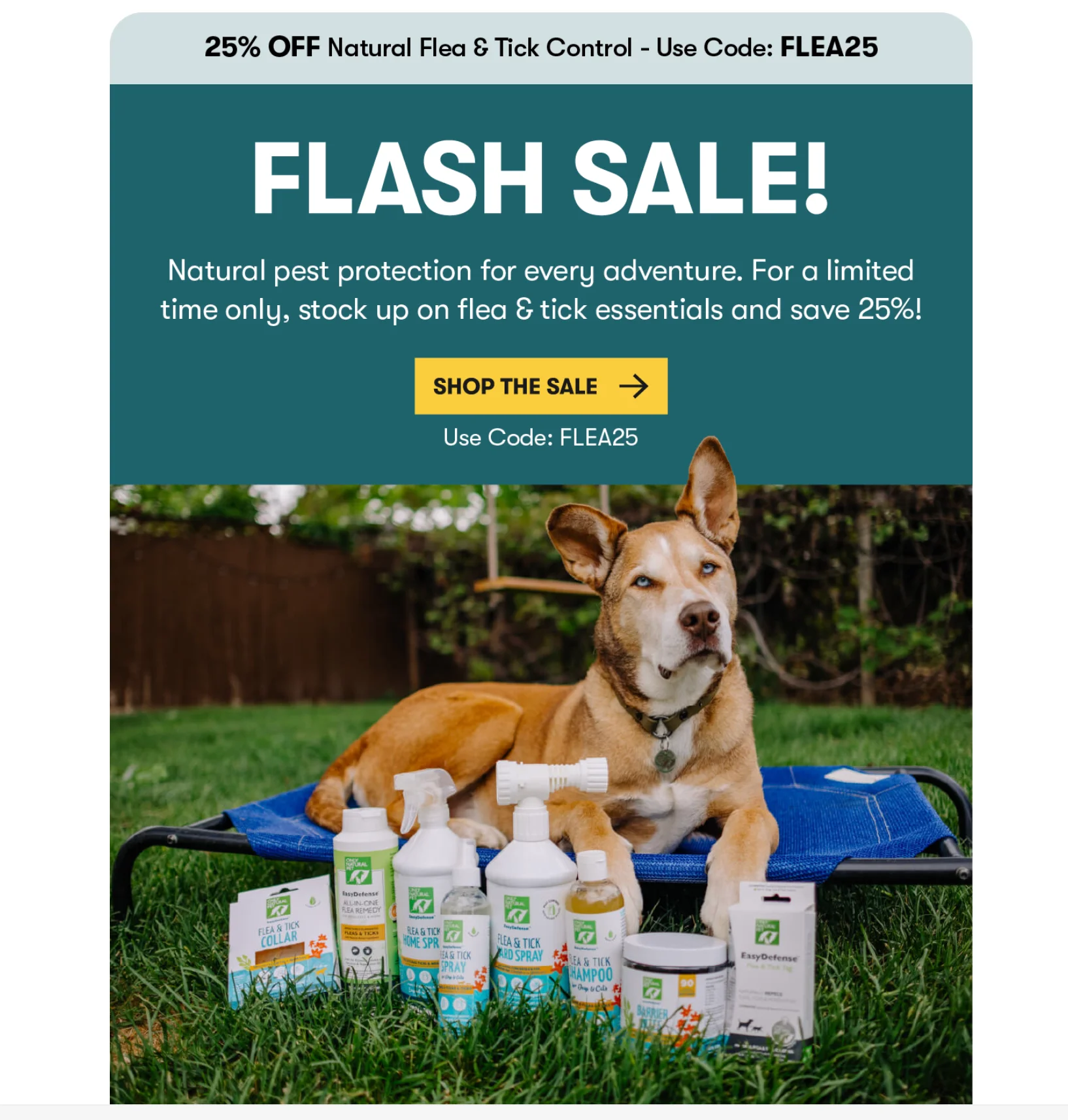
Different promotion types suit different goals, which is why most brands keep several ready to run. A sitewide sale like the one below is built to sell through inventory fast.

in attributed revenue in eight months from onsite campaigns
How a leading furniture retailer grew ecommerce sales with onsite promotions.
Read nowTypes of sales promotion
Most ecommerce sales promotions fall into a handful of named types. Each one works through a different mechanism, so the right choice depends on what you want the offer to do.
Percentage or dollar discount: a set amount off the order, such as "20% off everything."
Free shipping threshold: free delivery above a spend, such as "free shipping over $50."
Buy one, get one (BOGO): a free or discounted second item, such as "buy one, get one free."
Free gift with purchase: a bonus item above a spend, such as "spend $75, get a free tote."
Product bundle: two or more items at one set price, such as "a 2-item bundle for €100."
Flash sale: a steep discount for a few hours, such as "50% off, today only."
Limited-time offer: any deal with a visible deadline or countdown, such as "ends in 24 hours."
First-order or welcome discount: an incentive shown to new visitors, such as "10% off your first order."
Tiered spend more, save more: discounts that scale with cart size, such as "save $15 over $100, $40 over $200."
Loyalty or member reward: perks for repeat buyers, such as "members earn double points."
Referral discount: credit for bringing a friend, such as "give $10, get $10."
Spin-to-win or gamified offer: a prize in exchange for an email, such as "spin to win up to 30% off."
Free sample: a trial of the product to lower the risk of a first purchase.
Seasonal or holiday sale: a themed sitewide discount, such as "up to 60% off, end of season."
Meet Evarist, your website's AI analyst
Ask it anything about your traffic: which pages convert, where visitors drop out, which sources send buyers. 10× lighter than GA4.
Learn moreWhich sales promotion fits which goal
The best promotion is the one that matches your current goal. This table maps common goals to the offers that tend to deliver them.
Goal
Best-fit promotions
Why it works
Acquire new customers
First-order discount, spin-to-win, welcome popup
Lowers the risk of a first purchase and captures an email
Raise average order value
Free gift threshold, bundles, tiered spend more save more, free shipping threshold
Gives shoppers a reason to add one more item to qualify
Clear inventory
Clearance sale, flash sale, BOGO, end-of-season sale
Moves stock fast through deep discounts and urgency
Recover abandoning visitors
Exit discount, limited-time offer, cart reminder
Adds a reason to finish the purchase now rather than later
Build loyalty and repeat sales
Membership rewards, birthday discount, referral
Rewards return visits and turns customers into advocates
Pros and cons of sales promotions
Promotions drive short-term sales, but used too often they can train shoppers to wait and erode margins. The trade-offs are worth weighing before you commit to a calendar.
Pros
Cons
Attract both new and existing customers
Deep or frequent discounts can reduce profit margins
Encourage customers to try a new product
Constant deals can lower perceived brand value
Help clear old or excess inventory
Customers may delay purchases waiting for the next sale
Increase engagement and conversions onsite
Designing and running them takes time across channels
21 sales promotion examples
Here are 21 sales promotions ecommerce brands have run onsite, with the offer, the mechanic, and the result where we have it.
1. Branded bundle offer
A branded bundle packages two or more items at one price, often above a spend threshold. It raises average order value and gets shoppers exploring the range.
MakerFlo used targeted onsite campaigns to highlight bundle savings and capture emails, lifting email leads by 18%. A bundle popup takes minutes to set up, and you can schedule it to run only for the duration of the offer.
:quality(80))
2. Discount for new customers
A first-order discount lowers the risk of a first purchase and captures an email at the same time. Onsite popups convert at 4.82% on average, and a clear discount is one of the simplest ways to push a first purchase.
Pierre Hardy shows new visitors a welcome popup that leads with the offer, then collects the email on a second step, keeping the premium feel intact. That two-step structure asks for an easy yes first, which is why it captures 542 emails a month.
:quality(80))
Related: welcome popup examples.
3. End-of-season sale
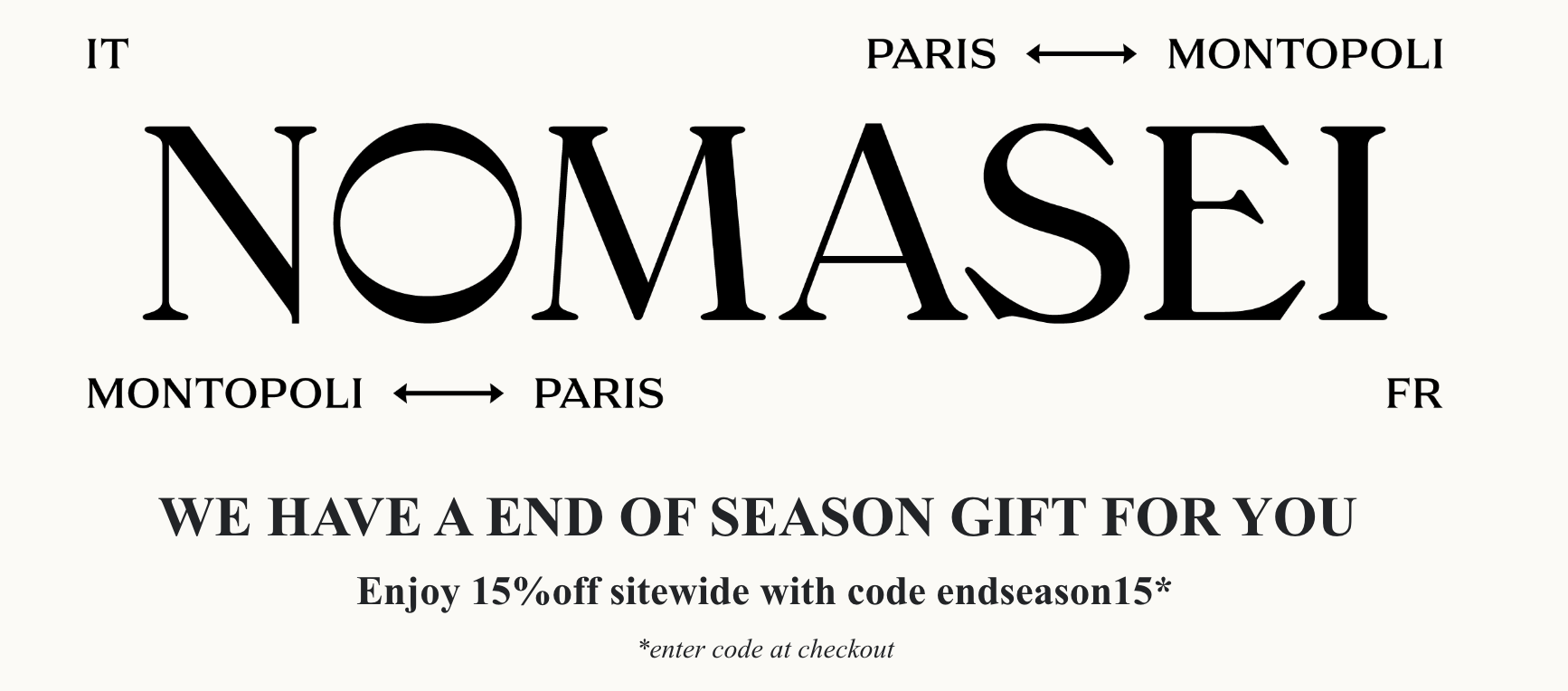
An end-of-season sale clears stock to make room for new products. It tends to land best when you announce it about a week early to build anticipation.
A clear banner or popup with separate buttons for different categories, such as women's and men's, makes it easier for shoppers to jump straight to what they want. Use every channel to spread the word: email, an ecommerce popup, a sticky bar, ads, and SMS.
Strong copy helps the offer land: tips for ecommerce copywriting.
4. Newsletter signup discount
A newsletter signup discount trades a small saving for an email. Signing up costs the shopper nothing, and the discount gives them a reason to act.
Nutrimuscle uses a multi-step signup popup that collects an email, asks about the shopper's sport, then offers a personalized discount. That approach reached a 4.1% signup rate and added more than 7,000 subscribers in 12 months.
:quality(80))
Related: email popup examples and email list building strategies.
5. Holiday sale (Black Friday)
Holidays are a natural reason to run a sale, so it helps to have themed promotions ready. The strongest holiday offers pair a clear deadline with tiered savings that grow as the basket grows.
L'Atelier d'Amaya ran a Black Friday popup with three stacked codes, €5 off from €50, €10 from €80, and €15 from €100, plus free delivery and an end date. The tiers give shoppers a reason to spend up to the next threshold.
:quality(80))
6. Flash sale
A flash sale is a steep discount for a short window, built around urgency. It suits stores with a large catalog that need to sell fast.
Charlotte Bio, a cosmetics brand, used a desktop and mobile popup with a built-in discount code and generated six times more customers in six hours than a normal day. Flash sales work well on a set schedule, for example once every one or two months.
:quality(80))
Related: a guide to flash sales.
7. Membership reward
A membership or loyalty reward keeps engaged shoppers coming back by giving them perks and early access to offers. L'Atelier d'Amaya, a French jewelry brand, keeps its most engaged visitors updated through the onsite feed and rewards registered customers with personalized birthday treats to lift lifetime value.
Across six months, the brand attributed €971K in revenue and reached 95.8% of its visitors with onsite campaigns, a 200x return on spend.
:quality(80))
Related: examples of effective loyalty programs.
8. Bestseller promotion
A bestseller promotion uses social proof instead of a discount, pointing shoppers to your most popular products. Labels like "bestseller" or "most loved" reassure undecided visitors and shorten the path to a choice.
It works well onsite as a popup or embed that surfaces top products to new visitors, or as a feed message highlighting what others are buying.
:quality(80))
For an automated version of this, see product recommendation popups.
9. Warehouse sale
A warehouse sale clears overstock and past-season products at deep discounts, framed as a one-time event. The "warehouse" label signals serious savings and limited quantities, which pulls in deal hunters.
Announce it with a clear date range and a countdown so shoppers act before stock runs out.
:quality(80))
10. Singles' Day sale
Singles' Day, on 11 November, is one of the largest shopping events in the world, so a themed sale taps into a moment shoppers already expect. It works like a holiday sale with its own date and identity.
Gymshark marks the day with a bold sale email that leads with the discount and a short deadline.
:quality(80))
11. Free gift with purchase
A free gift with purchase is simple: a customer spends a set amount and gets a bonus item as a thank-you. It nudges shoppers to spend a little more to qualify.
ActiveSkin gives away a gel mask that pairs with the skincare products it sells, so the gift feels useful rather than random. To make this work, pick a gift with real value, set the spend threshold above your average order value, and choose a light item so shipping costs stay flat.
)
12. Pre-launch promotion
A pre-launch promotion builds awareness before a product is available and secures early interest. It works for new arrivals, restocks, and limited editions.
Asphalte uses its onsite notification feed to announce upcoming products and gather pre-orders, keeping the message short and direct. Visitors who click those notifications are 3.5 times more likely to convert and 2.5 times more likely to browse other pages.
)
13. Limited-time offer
A limited-time offer adds a deadline that acts as a purchase trigger, appealing to a shopper's fear of missing a good deal. ActiveSkin runs a "limited time only" discount of 15% on select products.
Run shorter windows of 24 to 48 hours if you have over 1,000 monthly visitors, and longer windows for newer brands that need more consideration time.
)
More on this: guide to time-limited offers.
14. Clearance sale
A clearance sale moves excess inventory at reduced prices and attracts bargain hunters. Lulu Guinness announced one with a banner built around large, eye-catching type.
Adding numbers makes the message land harder, for example "5 days only: up to 70% off" or "shop 1,000 styles."
)
15. Spin-the-wheel giveaway
A spin-the-wheel popup turns email capture into a quick game, which lifts participation. Shoppers enter a name and email for a chance to win a discount or prize.
Faguo runs a spin-the-wheel contest that is generating 11 times more leads while cutting its popup software costs by 75%. Two things make this format work: a simple entry and a prize worth winning.

Related: spin-to-win popups.
16. Gift card deal
A gift card deal offers a discount on or alongside a gift card. H&M ran one over email, giving 10% off gift cards with a short, clear explanation.
Suggesting recipients, such as grads or dads near a holiday, gives shoppers a reason to act, and timing the offer adds urgency. To sell more, share the deal across popups, the feed, embeds, email, and social.

17. Buy one, get one free
A buy one, get one free offer gives a second item at no cost. Brands use it to create urgency, lift sales, or clear stock.
Flat Tummy Co pairs the offer with a countdown timer and a large value proposition so the message reads in a second. Countdown popups can generate up to 41% higher conversion than versions without one.

Most popup tools let you add a timer: how to create a timer popup.
18. Free shipping offer
Free shipping is one of the strongest levers in ecommerce. 53% of online shoppers say free delivery is the top reason they decide to buy.
EnChroma frames a free shipping offer with two urgency cues: a two-day deadline and a reminder that Father's Day is close. Brands often use free shipping to reduce cart abandonment around holidays.

19. Birthday discount
A birthday discount gives customers a reason to celebrate with a purchase, and it is an easy automation to run over email. Spalding shares 20% off any time around a customer's birthday.
It rewards the customer and creates a timely sales moment for the brand.

To set this up you need the customer's birthday, which a signup popup can collect alongside the email. See ways to collect emails from visitors.
20. Sitewide sale
A sitewide sale discounts all or most products at once, often between seasons to clear inventory. Helm Boots announced one and added free shipping and returns to strengthen the offer.
A closing question in the copy, such as "what are you waiting for?", nudges shoppers to check out the deals.

21. Free sample
A free sample lets shoppers try before they commit, which helps with complex products or subscriptions. Sundays For Dogs uses an exit popup on the product page, shown to customers who are weighing a purchase.
One click claims the sample, and the brand gets a low-risk way to introduce the product.

Related: examples of exit intent popups.
How to run an effective sales promotion
A few decisions separate promotions that convert from ones that just discount margin.
Match the discount to the goal. A first-order discount can fuel acquisition, but deep sitewide cuts erode margin, so size the offer to the outcome you want.
Add a deadline. A countdown can lift conversion by up to 41% against the same offer without one.
Target by behavior, not just by page. Offers shown after two or more page views convert up to 9.8%, and URL-targeted campaigns reach 5.53% against 2.40% without targeting (Wisepops data).
Cap how often you run them. Constant deals train shoppers to wait, so space promotions out and save the deepest discounts for clearing stock.
Measure against a control group. Comparing buyers who saw the promotion with those who did not shows the real lift rather than sales that would have happened anyway.
Frequently asked questions
What is a sales promotion?
A sales promotion is a short-term marketing offer that gives shoppers extra value, such as a discount, free gift, bundle, or free shipping, to drive an immediate purchase. A simple example is "spend $100 and get a free gift," which encourages shoppers to add one more item to qualify.
What are the three types of sales promotion?
The three main types are consumer promotions aimed at shoppers, such as coupons, discounts, and samples; trade promotions aimed at retailers and distributors, such as allowances and deals; and sales-force promotions aimed at a company's own sellers, such as bonuses and contests. Most ecommerce brands focus on consumer promotions.
What is the most effective sales promotion for ecommerce?
It depends on the goal, but gamified and multi-step offers tend to convert well. Spin-to-win popups can reach conversion rates up to around 30%, and multi-step popups average 5.17% against 4.62% for single-step versions, based on Wisepops data.
How do you measure a sales promotion's success?
Track conversion rate, average order value, and the revenue attributed to the campaign, plus redemption rate for coupon-based offers. Comparing a promotion against a control group shows the real lift rather than sales that would have happened anyway.
What is the difference between a sales promotion and a discount?
A discount is one type of sales promotion. Sales promotions also include free gifts, bundles, free shipping, samples, loyalty rewards, and gamified offers, so a discount is a subset of the wider category.
Get started
in minutes
Start converting more visitors today.
Get started in minutes and see results right after.